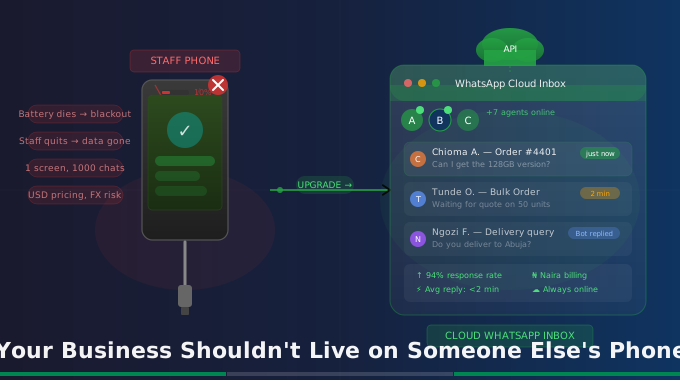
There’s a phone somewhere in your office right now.
It’s probably plugged into the wall. Screen cracked. Always on silent because the notifications never stop. One person “manages” it, but honestly? Everyone is scared of it.
That phone is your business. Your customer chats. Your payment proofs. Your leads. Your reputation.
And the day that phone gets lost, stolen, or walks out the door with a resigning employee — your business goes with it.
This is the story of why Nigeria’s smartest founders are finally letting go of the staff phone, and what they’re Moving to Cloud-Based WhatsApp in 2026 instead.
The Staff Phone: How We Got Here
Cast your mind back to the early days of Instagram vendors and Twitter small businesses in Nigeria. One phone, one SIM, one person answering customers. It worked perfectly — because the business was small.
But then the orders grew. The team grew. The customers grew. The phone didn’t. Suddenly, that one device had to handle hundreds of chats a day. Customers were waiting hours for replies. Junior staff were forwarding screenshots to managers on personal WhatsApp.
And the “customer database” was just… a scroll through an inbox that nobody fully controlled.
That’s not a business system. That’s organized chaos.
The Real Problem Nobody Talks About
Here’s what actually keeps founders up at night:
- The phone can die. Drop it in traffic. Battery swells in the Lagos heat. One bad day and every conversation, every lead, every proof of payment — gone.
- The employee can leave. And when they do, they take the number. Or the chat history. Or both. There’s no way to “wipe” a regular WhatsApp account without destroying everything on it. Founders are tired of their entire customer database walking out the door every December.
- You can’t grow a team around one screen. If five agents need to reply to customers at the same time, what do you do? Pass the phone around? That’s not scale. That’s a relay race.
The staff phone was a starting point. In 2026, it’s become a trap.
What the Shift Actually Looks Like
The founders who are winning right now have made one big change: they moved their WhatsApp number off a physical SIM card and into the cloud.
What does that mean in plain English?
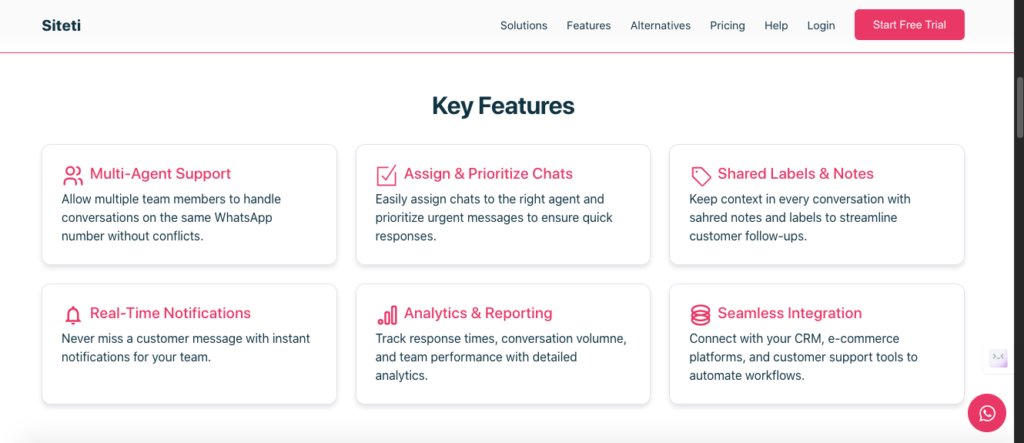
It means your business number is no longer tied to one phone. It lives on a server. Any agent whether they’re in Lagos, Abuja, or working from home in Ibadan, can log into a dashboard on their laptop and handle customer chats. At the same time. Without fighting over one handset.
Think of it like this: instead of one cashier with a queue stretching outside the door, you now have ten cashiers. Same customers. Ten times faster service.
The Features That Actually Change How You Work
– Your Team Can Talk Behind the Scenes
Here’s one thing most founders love when they first see it.
When a customer asks a question that a junior agent doesn’t know how to answer, the agent can send a private note inside the same chat only the team can see it. The manager reads it, replies with the answer, or jumps in and takes over.
The customer never sees any of this. To them, it looks smooth and professional. No more “hold on let me ask my oga.” No more screenshot forwarding. Just clean, coordinated teamwork.
– You Stop Paying in Dollars
This one matters a lot right now.
Most global customer service tools charge in USD. So when the exchange rate jumps over and we all know it does, your costs jump with it. You can’t plan for that. You can’t budget for that.
Local platforms like Siteti charge in Naira. That means you know what you’re paying every month, no surprises, no FX headaches. One less thing for the boardroom to worry about.
– Fast Replies Win the Sale
Nigeria’s market moves fast. If a customer sends you a message and doesn’t hear back in five minutes, they’ve already moved on to the next vendor.
With a cloud setup, the moment a message comes in, an automatic greeting goes out. The customer feels seen. Then a real agent picks it up. No waiting. No missing leads because the phone was on silent.
That gap between message received and message answered? That’s where sales are won or lost.
But Won’t Bots Make It Feel Cold?
This is a fair worry. And the answer is: only if you do it wrong.
The goal isn’t to replace your team with robots. The goal is to let automation handle the boring, repetitive stuff — “What’s your account number?”, “Where are you located?”, “Do you deliver to Port Harcourt?” — so your human agents are free for the conversations that actually matter.
The bot handles the easy 80%. Your team handles the important 20%.
Customers get fast answers on the simple stuff. And when things get complex, a real person shows up. That’s not cold — that’s actually better service than most businesses in Nigeria are offering right now.
How to Make the Switch (It’s Simpler Than You Think)
You don’t have to do this all at once. Here’s how most founders break it down:
- Step 1 — Move your number to the cloud. Platforms like Siteti help you migrate your existing business number to the WhatsApp API. The SIM card gets retired.
- Step 2 — Bring your team in. Add your agents to a shared inbox. Give each person a role — who can reply, who can supervise, who can just view.
- Step 3 — Set up your quick replies. Write out answers to your most common questions and automate them. This alone will save your team hours every week.
- Step 4 — Connect it to your other tools. Link your WhatsApp to Paystack or Flutterwave. Connect it to whatever CRM you use. Now every chat comes with the customer’s full history attached.
Most businesses get through all four steps within a week.
Let’s Be Honest About What’s Really at Stake
Every day your business runs on a staff phone, you’re taking a risk.
One stolen phone. One angry resignation. One battery that gives up on a busy Monday morning. That’s all it takes for months of customer relationships to disappear.
The founders who are scaling in 2026 aren’t smarter than you. They didn’t get lucky. They just stopped letting their business depend on a cracked-screen Android plugged into the wall.
Your customers deserve better. Your team deserves better. And honestly? You deserve better than refreshing one phone every five minutes to see if a lead came in.
The Bottom Line
The staff phone had its moment. It helped a generation of Nigerian businesses get started, get customers, and get moving. There’s no shame in that.
But it’s 2026. Your ambition is bigger than a single handset can handle.
Move the number. Free the team. Build the system.
Because the businesses that are going to own this market aren’t the ones with the most phones, they’re the ones who don’t need them at all.
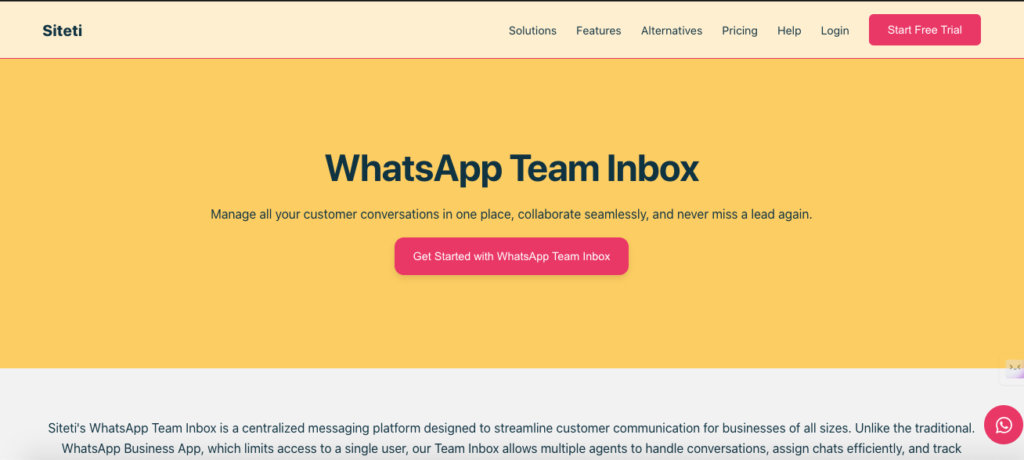
Ready to make the switch? Siteti helps Nigerian businesses move to cloud WhatsApp — with local Naira billing, a shared team inbox, and setup support that doesn’t require a tech team.